

EnquireSee dates

Our approach for schools

Our courses give educators time to work on real challenges, test useful ideas and plan how to put them into practice.

Professional learning should give people useful ideas, time to work on them properly and the confidence to try something different when they return to school. It should also be an enjoyable experience: thoughtful, practical, well facilitated and shared with other people who care about similar questions.

That is the principle behind how we design every course.

A facilitator holding an open book in a room set out for a seminar

Five ways we design learning for schools

Our courses are shaped by FLEX + PACE, our framework for purposeful, practical learning. Read about FLEX + PACE

Learning by doing

Our courses are practical rather than lecture-led.

Short inputs give people a shared starting point. Then participants work with the ideas: discussing, making, testing, questioning, rehearsing and applying them to a real situation from their own school.

Depending on the course, that might mean visual thinking, post-its, practical challenges, group discussion, prototyping, making art, observation, feedback or LEGO® Serious Play® activities. The point is giving people something concrete to work with, together.
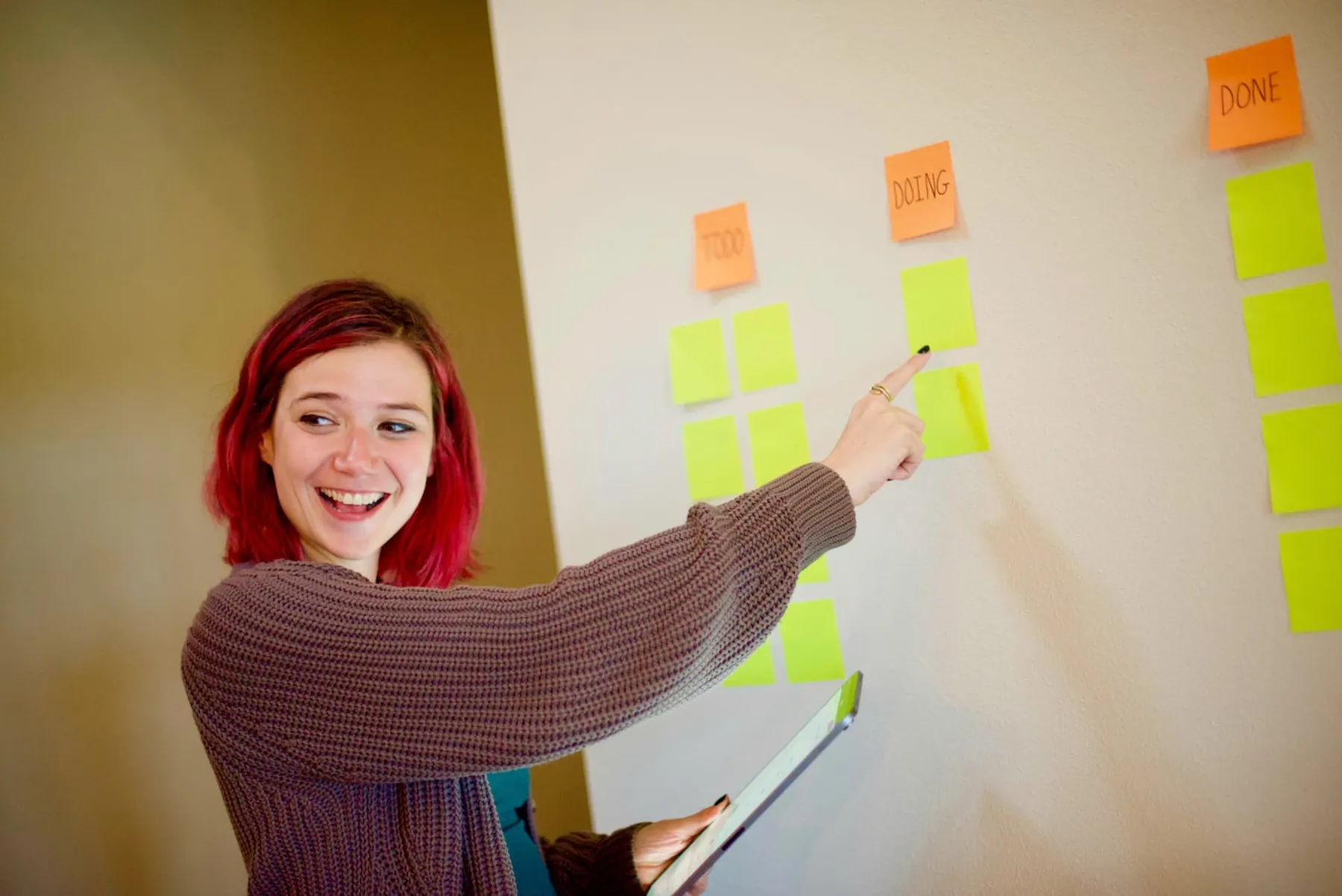
A facilitator smiling while moving sticky notes across a planning wall

Take it back to your school

A useful course does not end when people leave the room.

We build in time to adapt ideas for participants’ own learners, colleagues, curriculum and local context. People leave with a clear next step, rather than a folder of notes to revisit one day.

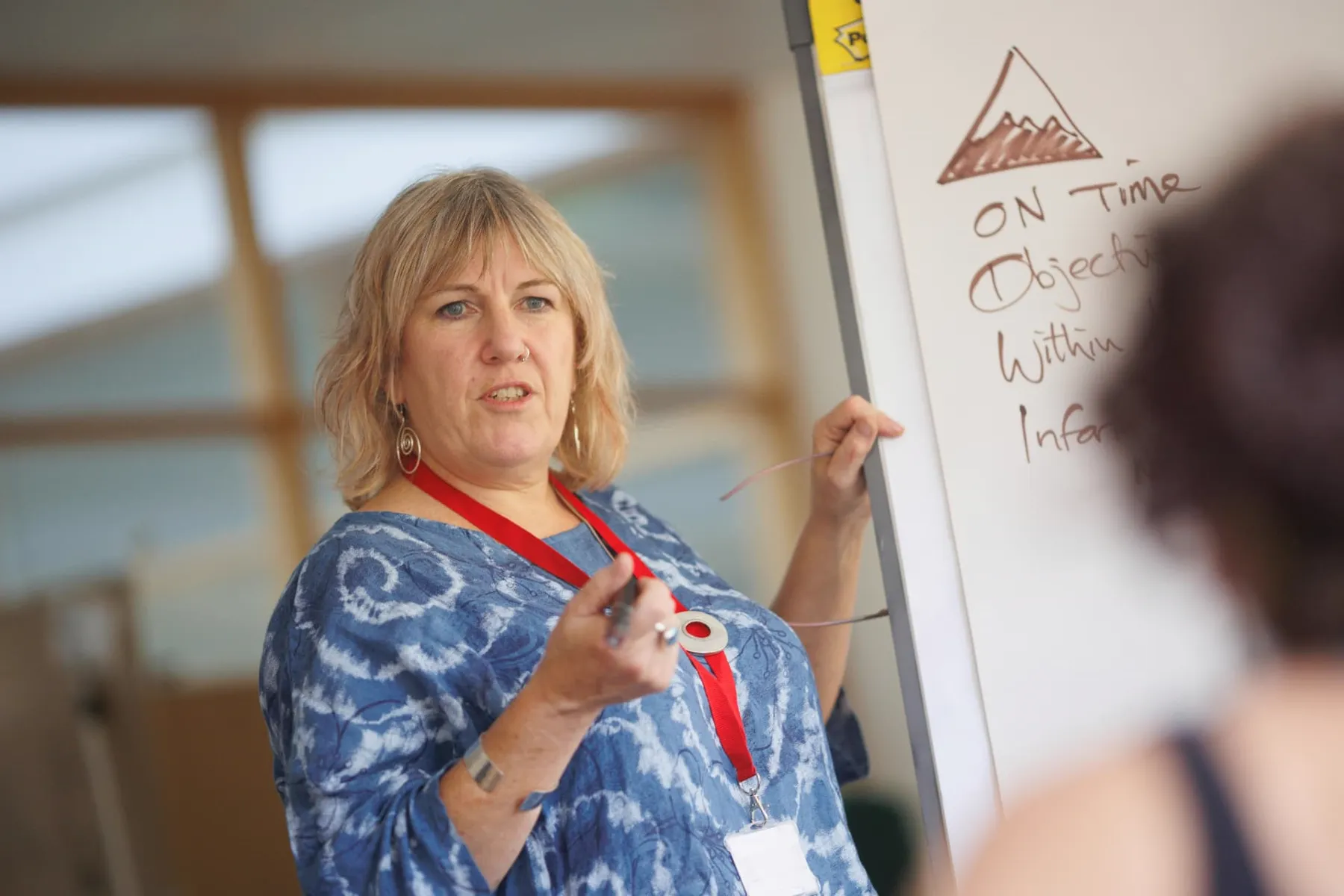
Follow-through is part of the design from the beginning. Participants revisit what they tried, reflect on what worked, troubleshoot what did not and decide what comes next. Where appropriate, small peer groups stay together across the programme.

A facilitator explaining a plan at a flipchart to a small group

Designed for lasting change

Our course design is informed by research on effective professional development, including work from the EEF, OECD/TALIS and the EU.

That research points to four things that matter:

  1. building knowledge
  2. giving people a credible reason to act
  3. developing technique through modelling, rehearsal and feedback
  4. embedding practice so that learning continues afterwards

A good environment for learning

The way a course feels matters.

We design for a calm, welcoming and purposeful learning environment: clear expectations, skilled facilitation, regular breaks, fika, check-ins and enough space to think before contributing. People should be able to take part without feeling put on the spot.

There is serious work to do, but there should also be energy in the room. Good conversation, shared attention and time away from the ordinary school day can help people see their work differently.

Learning that has room to breathe

Our courses are designed as learning sequences, not single blocks of information.

In-person programmes in Stockholm combine several days together with short follow-through sessions afterwards. Online programmes are spread across shorter sessions over time.

The formats are different, but the intention is the same: give people enough time to understand something, try it out, talk honestly about what happened and build it into their practice.

We also check what happens afterwards. We look beyond whether participants enjoyed the course to what they planned to try, how well techniques were understood and practised, whether follow-through happened and what changed as a result. That helps us improve future courses.

Two ways to learn with us

Both are complete learning experiences, with practical work and follow-through built in.

Stockholm

Three to four days together, with time to learn, make, discuss, explore the city and reflect. This is followed by two short online follow-through sessions.

Online

Live sessions that are carefully spaced over time. Participants work on ideas between sessions, then return to discuss, test and develop them further.

Talk to us about your school.

Tell us what you're working on. We'll tell you whether this approach fits.