
Nordic research brought to life.
We follow new research from across the Nordic region and turn it into plain-language ideas you can use. For teachers and school leaders, and for teams and organisations. Our practical suggestions are inspired by the research, rather than direct recommendations from the researchers themselves.
Latest
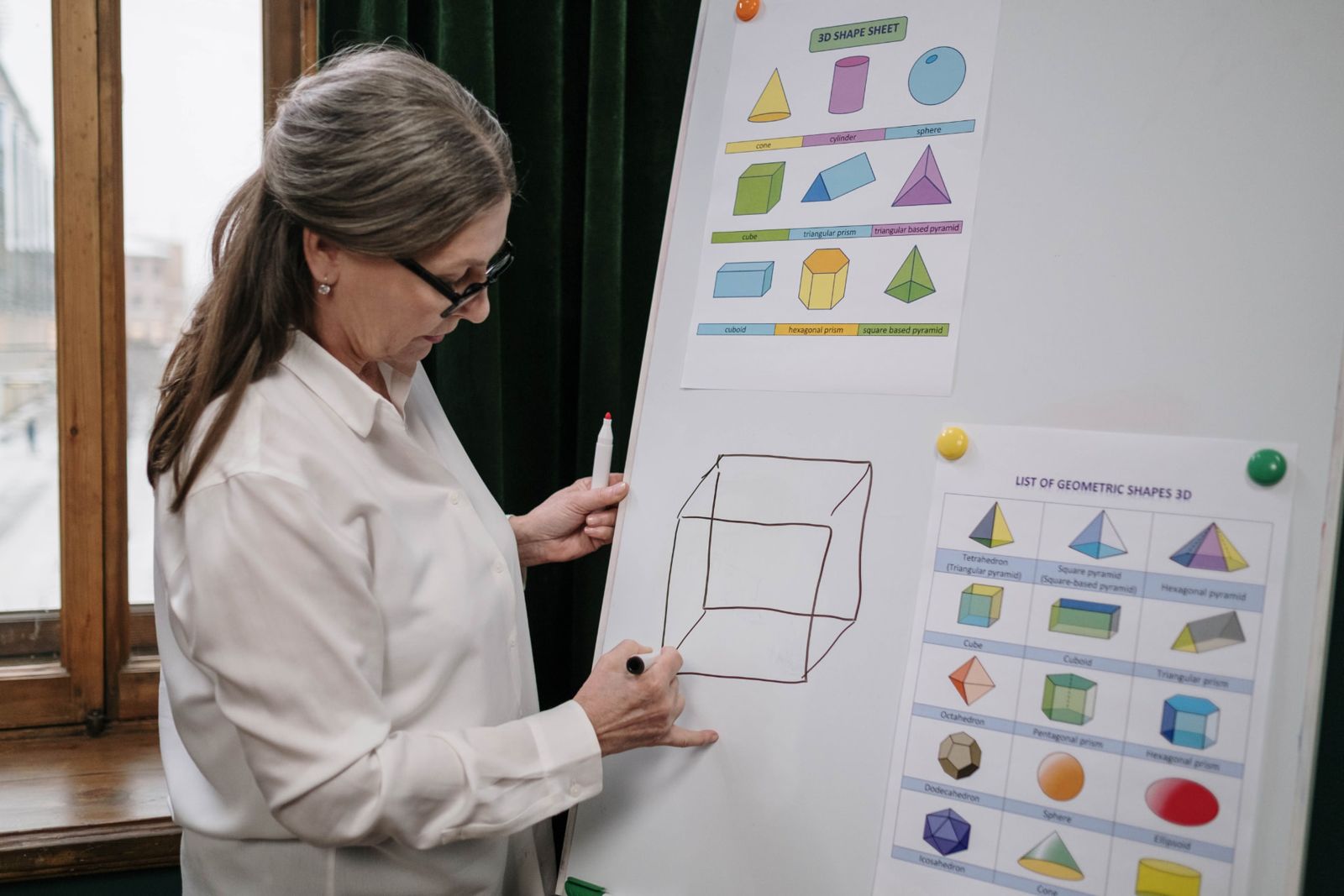
When the workshop ends, what changes in the classroom?
Professional learning needs a route into practice: a specific change worth trying, time and support to try it, and a way to learn from what happens.
NorwayLower secondary, Primary, Upper secondary17 October 20268 min read
For school leaders, teachers
Nick Praulins

Rest of Europe and Rest of WorldLower secondary, Upper secondary, Adult and workplace, Vocational2 September 20263 min read
What school leaders learn about coaching by being coached
A systematic review of a decade of research suggests the real value of coaching for school leaders may not only be the coaching itself, but the coaching skills leaders absorb and go on to use with their own staff.
For school leaders
Marius Ketels

SwedenAdult and workplace27 August 20262 min read
Employees got more flexibility from the new hybrid office. Their managers were forced to rethink the way they work.
Staff were moved into an activity-based office paired with working from home. Managers say it made them more trusting, more visible, and more relational leaders, and quietly heavier on their own workloads.
For organisations
Marius Ketels

Nordic-wideAdult and workplace27 August 20263 min read
What Carries the Effect of Leadership on Wellbeing
A review of 40 Nordic studies confirms leadership matters for employee wellbeing, but rarely as a straight line. Where researchers tested how the link actually works, it almost always ran through something else: whether people find their work meaningful, whether their role is clear, and whether they feel supported.
For organisations
Marius Ketels

Nordic-wideAdult and workplace27 August 20263 min read
When More Freedom Backfires: What Nordic Research Says About Autonomy and Engagement
A major review of two decades of Nordic workplace research confirms most of what builds job satisfaction and engagement is exactly what you'd expect. One finding stands out because it isn't: giving people more control over their work doesn't help everyone equally, and for some it can make things worse.
For organisations
Marius Ketels

DenmarkLower secondary, Upper secondary25 August 20263 min read
Why "playful learning works" is a claim Danish researchers can't actually back up yet.
A Danish-led review of nine international studies finds that play in secondary maths and language classrooms is talked about with real confidence and studied with almost none. For anyone being pitched playful pedagogy as an evidence-based fix for disengaged teenagers, that gap is worth knowing about.
For school leaders, teachers
Nick Praulins

Nordic-wideUpper secondary, Lower secondary, Primary25 August 20265 min read
Your wellbeing survey might not be measuring what you think.
Check what a wellbeing survey measures, who it was tested with and what it leaves out before acting on its results.
For school leaders
Nick Praulins
Sweden and NorwayEarly years, Primary, Lower secondary, Upper secondary, Vocational24 August 20263 min read
Group coaching for school leaders: what makes it useful?
Group coaching helped school leaders in Norway and Sweden make sense of difficult leadership problems and consider different ways of responding. But one of the study’s more useful findings is about design: how leaders prepare for coaching, and what happens at the end of it, may shape what they get from the process.
For school leaders

NorwayUpper secondary, Lower secondary, Primary24 August 20262 min read
AI can give feedback instantly but teachers still need to make it useful.
In five Norwegian secondary schools, an AI platform gave students faster feedback and saved some teachers time. But it only worked well where teachers had already mapped out clear learning goals and checkpoints across the term. Without that groundwork, the feedback students got was often vague or hard to act on.
For teachers, school leaders
Nick Praulins
NorwayPrimary, Lower secondary, Upper secondary24 August 20264 min read
Innovation may already be hiding in the curriculum
Innovation in schools is often associated with new technology, new programmes or dramatic change. This Norwegian curriculum analysis suggests a gentler possibility: many of the ingredients are already present in everyday learning... if schools know what to look for.
For school leaders, teachers
Sweden and Rest of EuropePrimary, Lower secondary, Upper secondary22 August 20263 min read
Digital leadership is not just about the person at the top
Successful digital change depends on the structures, support and clear responsibilities around a school leader, not only on the skills of one person.
For teachers, school leaders
Nick Praulins

Nordic-wideLower secondary, Upper secondary, Primary, Early years22 August 20264 min read
Professional development only helps if teachers have room to use it
More professional development did not always coincide with better teacher wellbeing across four Nordic school systems. Professional learning seems to work best when schools also look at the demands teachers are being asked to absorb.
For teachers, school leaders
Nick Praulins

Want to talk it through?
If something here is useful, we are happy to think about it with you.